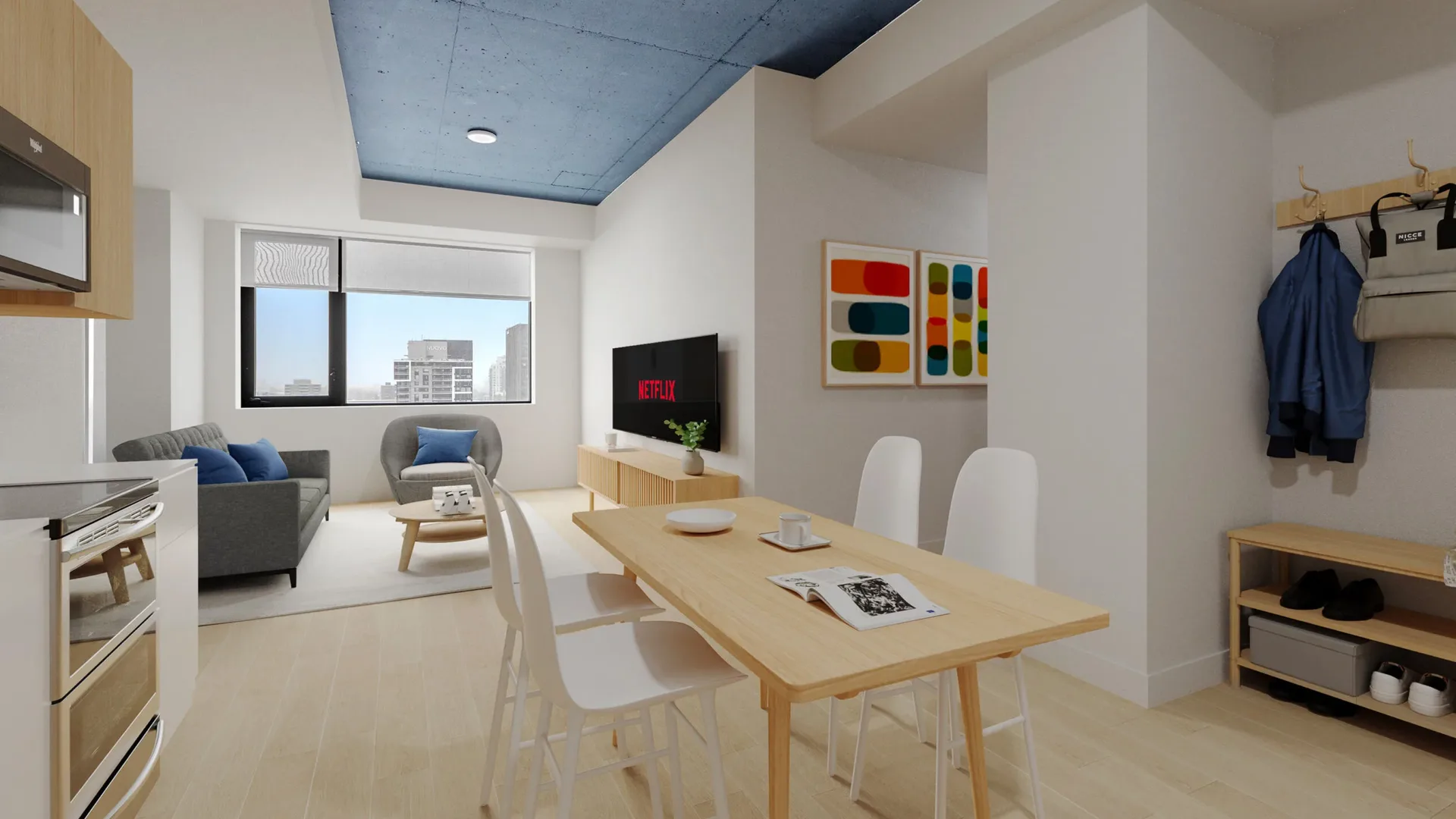
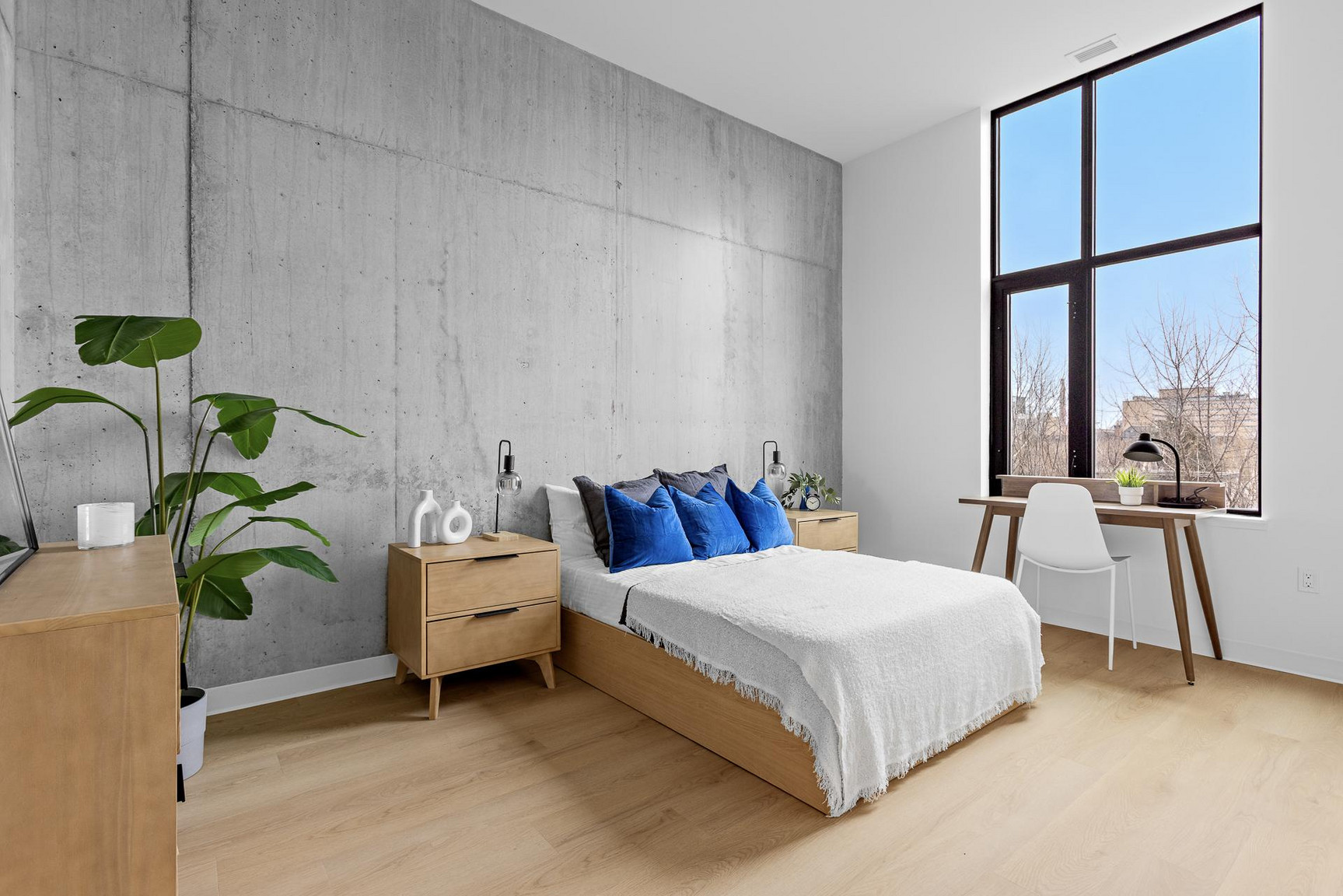
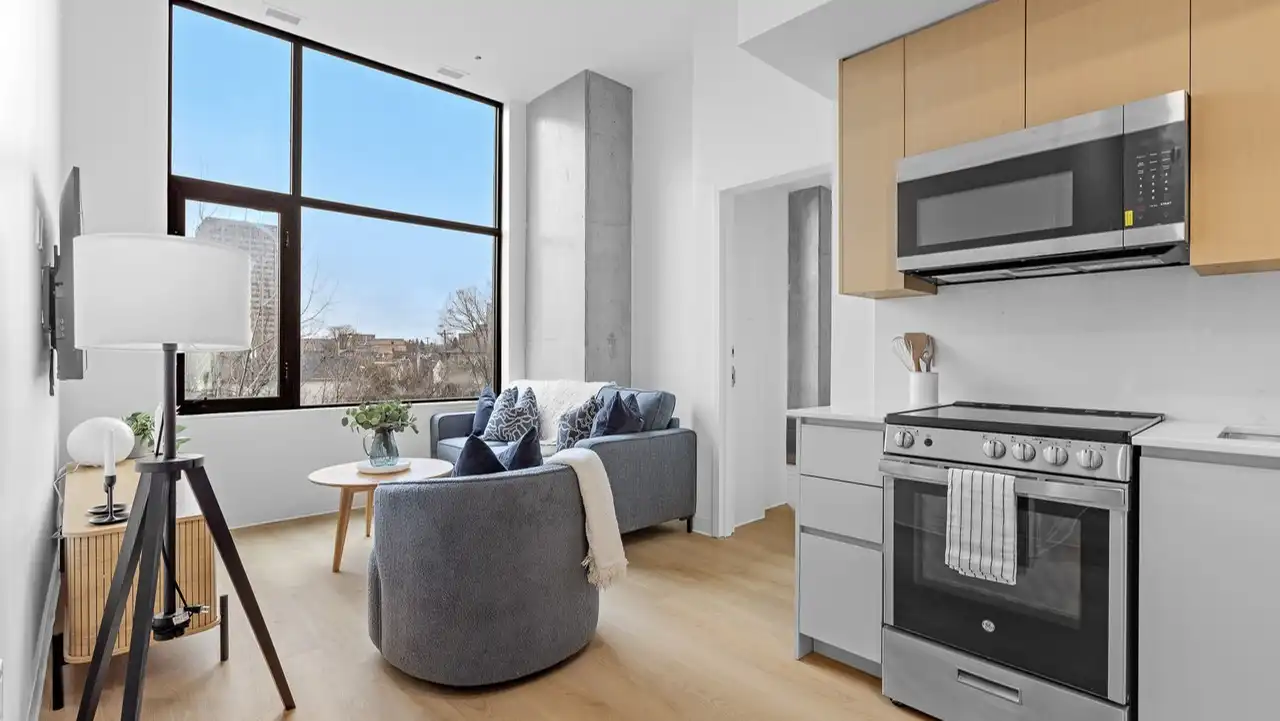
For anyone attending Carleton University, Little Italy and Old Ottawa South are the two neighbourhoods that consistently work, and Sandy Hill is the one most students pick by mistake. Znith Living reached that conclusion by comparing O-Train Line 2 schedules, Ottawa rental data and the walking routes students actually use, rather than by repeating a generic list of Ottawa neighbourhoods.
Key Takeaways
- Sandy Hill sits beside the University of Ottawa, not Carleton, and adds roughly 30 to 40 minutes each way to a Carleton commute.
- Little Italy and Bayview connect to Carleton’s campus in about 9 minutes door to door thanks to O-Train Line 2, which reopened in January 2026.
- Old Ottawa South is the only neighbourhood where walking distance to campus is realistic year round, at 15 to 20 minutes.
- Average rents in the Glebe and Centretown run higher than Little Italy for a smaller unit and a longer commute to Carleton.
- All inclusive student housing removes the hidden utility and furniture costs that make a cheap private rental more expensive than it looks.
Table of Contents
- The Best Neighbourhoods for Carleton Students Ottawa Actually Offers
- Why Sandy Hill Is the Wrong Default for Most Carleton Students
- Little Italy and Bayview: What O-Train Line 2 Changed
- Old Ottawa South: The Only Real Walking-Distance Option
- Centretown and the Glebe: Urban Life at a Rent Premium
- Commute Times and Rent Compared Across Ottawa Neighbourhoods
- What Students Actually Pay Once Everything Is Counted
- Transit, Groceries and Safety Checks Before You Sign
- Frequently Asked Questions
The Best Neighbourhoods for Carleton Students Ottawa Actually Offers
Distance on a map is a bad way to choose. What decides whether a neighbourhood works is the commute at 8:00 a.m. in February, how far the nearest grocery store is, and what the rent covers once hydro and furniture are added. Judged that way, the shortlist for Carleton students narrows fast: Little Italy, Old Ottawa South, and Centretown, with the Glebe as a more expensive alternative and Sandy Hill as the one to avoid. Lists of the top neighbourhoods in the city rarely make that distinction, because they are written for every campus at once.
Carleton University sits on its own peninsula between the Rideau Canal and the Rideau River, at 1125 Colonel By Drive, and
Znith Living is nine minutes from it, which is how these commute times come to be measured rather than estimated. That geography matters. There are only a handful of ways onto campus, and the neighbourhoods that connect cleanly to one of them are the ones worth paying for. Everywhere else, students end up on a bus line that adds two transfers to a trip that should take ten minutes. Carleton University students who share a house with friends at Algonquin College or the University of Ottawa learn this quickly, since the three campuses sit in different corners of the city and no single address serves them all.
Why Sandy Hill Is the Wrong Default for Most Carleton Students
Sandy Hill has the reputation, and it is genuinely the best student neighbourhood in Ottawa if you attend the University of Ottawa. Its streets back directly onto that campus. For uOttawa students the walk is five to ten minutes and the student population density means cheaper shared houses and a real social scene.
For Carleton students the same address is a daily tax. The trip from Sandy Hill to Carleton means walking to Rideau Street or a nearby station, riding O-Train Line 1 west to Bayview, transferring to Line 2, then riding south. Thirty to forty minutes each way is normal, and that is before winter delays or a missed transfer. Over a two-term year that is roughly 150 hours spent commuting.
The reason so many Carleton students end up there is simple: most student housing content about Ottawa is written for uOttawa students, and Sandy Hill dominates it. Rideau Street listings and ByWard Market marketing target the larger uOttawa student population. If you are attending Carleton University, that advice is aimed at somebody else.
Little Italy and Bayview: What O-Train Line 2 Changed
O-Train Line 2, the Trillium Line, reopened in January 2026 after a long closure and rebuild.
OC Transpo runs it south from Bayview through Carleton and on toward Limebank, with a station sitting directly on Carleton’s campus. That single change reshaped which Ottawa neighbourhoods make sense for Carleton students.
Little Italy, the Preston Street corridor west of downtown, now sits about 9 minutes from campus door to door: roughly a 5-minute walk to the train and a 4-minute ride. That is faster than most students living in Old Ottawa South can walk, and it holds in a snowstorm because the train runs in a dedicated corridor rather than in traffic.
The neighbourhood itself is a working one, not a student ghetto. Preston Street carries restaurants, bakeries and cafés; there are grocery stores within walking distance; and Dow’s Lake, the Rideau Canal skateway and the Central Experimental Farm are all within a short walk for outdoor activities. Rents here have historically sat below the Glebe for comparable space, which makes it better value per square foot, and the area has newer buildings than the century homes further east. It reads as a vibrant neighbourhood rather than a student enclave, which matters more by third year than it does in September.
Our building sits at 101 Champagne Ave S, a five-minute walk from Corso Italia station, and our
neighbourhood guide maps what is actually within walking distance of it.
Old Ottawa South: The Only Real Walking-Distance Option
If walking distance is non-negotiable, Old Ottawa South is the answer. The neighbourhood runs along Bank Street south of the canal, and the walk to Carleton’s campus across Bronson or the Sunnyside area takes 15 to 20 minutes. It is the closest thing Ottawa has to a campus-adjacent neighbourhood for Carleton.
The trade-off is stock. Old Ottawa South is mostly older single-family homes converted into student rentals, which means shared houses rather than studio apartments, aging furnaces, and landlords who rent by the room. Quiet streets and mature tree lined streets make it pleasant; they also mean noise complaints are taken seriously and party culture is not welcome. Bank Street through the neighbourhood covers groceries, a hardware store and a handful of restaurants, and Lansdowne Park is a 15-minute walk north for sports fields and events.
Most students who land here are upper year students who found the house through someone graduating. First-year and second-year students rarely get in without a connection, because the good units never reach public listings.
Centretown and the Glebe: Urban Life at a Rent Premium
Centretown is downtown Ottawa proper, roughly between the canal and Bronson, north of the Queensway. It has the best access to jobs, nightlife and Parliament Hill, and it is a genuinely central location if your life is not organised entirely around campus. Commute to Carleton runs 20 to 30 minutes depending on whether you take the 111 down Bank Street or walk west to Bayview and take the train.
The Glebe, between Centretown and Old Ottawa South, is the prettiest of the group and the most expensive. Bank Street through the Glebe is the strongest retail strip on this list, Lansdowne Park anchors the south end, and green spaces along the canal are immediate. Average rents here run well above Little Italy for less space, and much of the housing stock is family homes rather than purpose-built rentals. It suits students with a higher budget or a car more than it suits a typical undergraduate.
South Keys and Confederation Heights sit further down Line 2 and price lower again, but the trade is a longer ride, thinner amenities and a much smaller student community.
Commute Times and Rent Compared Across Ottawa Neighbourhoods
| Neighbourhood |
Commute to Carleton |
How you get there |
Typical rent level |
Best suited to |
| Little Italy / Bayview |
About 9 minutes |
Walk to O-Train Line 2, 4-minute ride |
Mid |
Students who want short commutes and new buildings |
| Old Ottawa South |
15 to 20 minutes |
Walk |
Mid |
Upper year students in shared houses |
| The Glebe |
20 to 25 minutes |
Walk or bus down Bank Street |
High |
Higher budgets, students wanting retail and parks |
| Centretown |
20 to 30 minutes |
Bus 111 or train via Bayview |
Mid to high |
Students working downtown |
| Sandy Hill |
30 to 40 minutes |
Line 1 to Bayview, transfer to Line 2 |
Mid |
University of Ottawa students, not Carleton |
| South Keys |
20 to 25 minutes |
O-Train Line 2 direct |
Low to mid |
Budget-first students who do not mind the distance |
Commute figures are door to door in normal conditions and assume the standard O-Train Line 2 schedule. Check current service before you commit to an address, since construction and seasonal schedules change trip times.
What Students Actually Pay Once Everything Is Counted
Advertised rent is not the number that matters. A private room at $850 in a converted house arrives unfurnished, without utilities, and usually without internet. The real monthly figure is what decides whether you can afford the year.
| Cost line |
Private rental (typical) |
All-inclusive student housing |
| Base rent |
Advertised figure |
Advertised figure |
| Hydro, heat, water |
$60 to $120 per month |
Included |
| Internet |
$40 to $80 per month |
Included |
| Furniture, first year |
$400 to $900 one-time |
Included |
| Laundry |
Coin or shared machines |
In-suite in shared units |
Check any listing-site average against the Canada Mortgage and Housing Corporation, whose
rental market reports measure occupied units rather than asking prices, which run higher. Then check what you are actually comparing: a room in a converted house, a studio and a bedroom in a four-bedroom unit carry similar headline rents for three different things, so read the
floor plans next to the figure.
Transit, Groceries and Safety Checks Before You Sign
Run these five checks on any address before you sign, regardless of neighbourhood.
- Walk the commute once, in person, at the hour you would actually travel. A 12-minute map estimate becomes 20 with a crossing light and a hill.
- Find the nearest full grocery store and time the walk. Convenience stores do not count, and carrying groceries changes what “easy access” means in January.
- Confirm which bus line or train station serves the address and check whether it runs on weekends and during the summer term.
- Ask what the rent includes in writing. Hydro, heat, water, internet and appliances should each be named, not implied.
- For shared houses, ask how roommates are assigned and what happens if one leaves mid-lease. Many private leases make remaining tenants liable for the full amount.
International students should add one more: ask whether the lease requires a Canadian guarantor or a co-signer, and get the answer before you fly. It is the single most common reason a confirmed rental falls through in August.
Choosing an Address That Still Works in Year Three
The neighbourhood you pick in first year usually becomes the neighbourhood you stay in, because moving is expensive and the good units go early. Pick for the commute you will still be making at 8:00 a.m. in your third winter, not the one that looked fine on a map in July. Proximity to campus is the one variable you cannot renegotiate later. If you want to compare specific units, commute times or lease terms for September,
get in touch with our team and we will walk you through the numbers for your program schedule.
Frequently Asked Questions
Where do Carleton students live?
Most live in Old Ottawa South, Little Italy and Centretown, plus first-year students in
Carleton’s own residences on campus. Old Ottawa South has the largest concentration of shared student houses; Little Italy has grown quickly since O-Train Line 2 reopened.
Is Sandy Hill good for Carleton students?
No. Sandy Hill is built around the University of Ottawa and the commute to Carleton runs 30 to 40 minutes with a transfer. UOttawa students are well served there; Carleton students are not.
How far is Little Italy from Carleton University?
About 9 minutes door to door from the Champagne Avenue area: roughly a 5-minute walk to the O-Train and a 4-minute ride to the campus station.
What is the cheapest neighbourhood for students near Carleton?
South Keys and parts of Confederation Heights price below the central neighbourhoods, and both sit on O-Train Line 2. The trade is fewer restaurants, a smaller student community and a longer trip for anything social.
Do I need a car to live off campus in Ottawa?
No. Every neighbourhood on this list is served by transit, and Carleton’s campus has its own O-Train station. Parking near campus is limited and expensive, and most students find a car is a cost rather than a convenience.